Source GMO Free Frozen Pumpkin for Purees, Soups, and Baby Food
Compare 30 listings for gmo free frozen pumpkin sourced from China. Options include IQF diced cubes and puree in bulk cartons, featuring HACCP and ISO certifications for reliable food manufacturing supply chains.
Key considerations
Products List







Comprehensive Sourcing Guide
GMO Free Frozen Pumpkin Sourcing Guide
Procuring GMO-free frozen pumpkin requires a disciplined approach to verifying both the botanical origin and the processing history of the product. Buyers must distinguish between raw agricultural commodities and processed purees, as the supply chain for diced cubes differs significantly from that of liquid puree. The core keyword "GMO free frozen pumpkin" signals a demand for products that have undergone specific genetic screening and are maintained in a frozen state to preserve nutritional integrity. Sourcing strategies should prioritize suppliers who explicitly declare their cultivation methods and provide traceability from the field to the freezing facility.
The market for this category is characterized by a wide variance in product forms, ranging from whole frozen pumpkins to uniformly diced cubes and processed purees. Buyers should expect to encounter listings that specify the processing method, such as IQF (Individually Quick Frozen) or LQF, which directly impacts the texture and thawing behavior of the final product. Understanding these processing distinctions is critical for selecting the right inventory for specific manufacturing lines, whether the end use is in bakery fillings, soups, or baby food production.
Product Scope and Observed Listing Signals
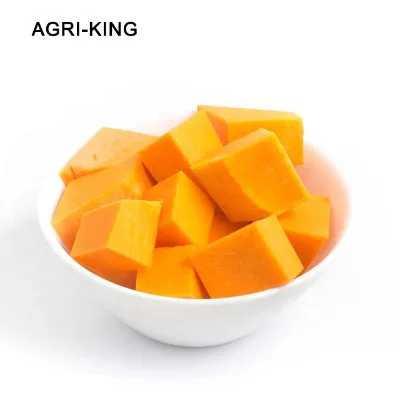
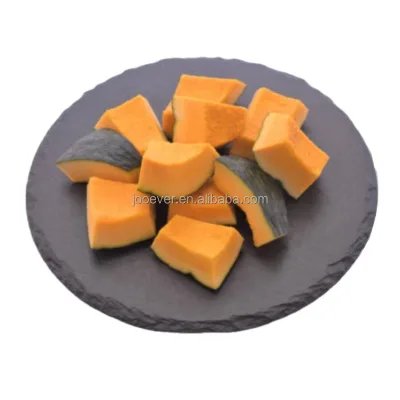
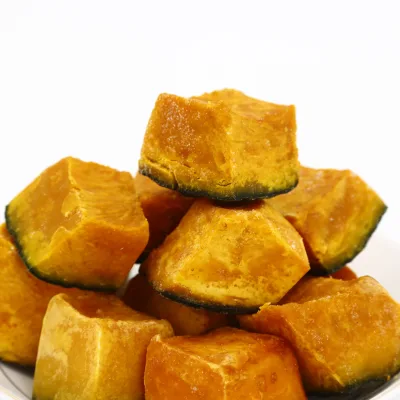
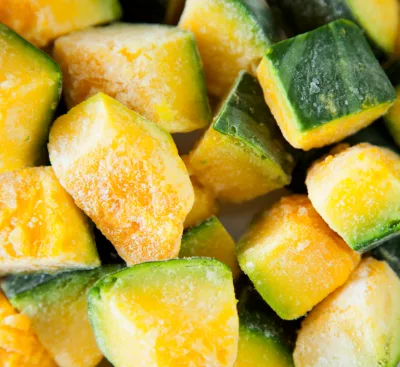
When evaluating product listings, buyers should look for specific attributes that confirm the item is a frozen pumpkin product rather than a dried or canned alternative. The observed data indicates a strong presence of "100% Natural Pumpkin Puree" and "Diced" styles, with specific shape descriptors like "CUBE" and "Dice" appearing frequently. These physical attributes are essential for matching the product to recipe requirements, as the size of the cut, such as the observed 10mm*10mm specification, determines the texture profile in the final dish.
Price and minimum order quantity (MOQ) signals vary widely, with observed ranges spanning from $0.50 to over $3,500 and MOQs from 1 unit to 10,000 units. This variance often reflects the difference between sample orders, bulk raw material shipments, and customized private label runs. Buyers must carefully analyze the packaging details, noting that options include bulk reefer containers, 10kg cartons, or custom client requirements, as these factors heavily influence the total landed cost and logistics planning.
Technical Specifications to Verify
Technical verification begins with the freezing process and storage temperature requirements, which are non-negotiable for maintaining product safety and quality. The supplied facts confirm that products must be stored at temperatures below -18°C, with processing methods including IQF and LQF (Liquid Quick Frozen) being common. Buyers should verify that the supplier's cold chain logistics maintain this temperature consistently from the port of origin, typically identified as Qingdao or a general Chinese port, to the final destination to prevent ice crystal formation and texture degradation.
Physical specifications such as weight, grade, and cut dimensions must be rigorously checked against the purchase order to ensure consistency. The data highlights specific standards like "Grade A" and weight specifications of 10kg per carton or 25-35g per piece for individual cubes. Additionally, the shelf life is a critical technical parameter, with observed ranges extending from 12 months to 24 months depending on the specific product form and packaging integrity. Buyers should confirm that the "Single package size" and "Single gross weight" align with their warehouse capacity and handling equipment.
Compliance and Safety Documentation
Compliance with international food safety standards is a prerequisite for sourcing frozen pumpkin, particularly for markets with strict regulatory environments. The observed certifications include BRC, HACCP, ISO, FDA, GAP, and Kosher, indicating that reputable suppliers in this category maintain robust quality management systems. Buyers should request current certificates for these specific standards to verify that the facility has been audited within the last 12 months, as certification status can lapse or be suspended without immediate public notice.
Beyond general certifications, specific documentation regarding the GMO-free status and ingredient purity is essential for regulatory compliance in many jurisdictions. The product facts explicitly state "100% Natural Pumpkin Puree" and "GMO Free" attributes, but buyers must demand supporting test reports or affidavits of origin that confirm these claims. For products intended for export to regions with specific labeling laws, verifying that the "100% natural" standard is backed by third-party analysis is necessary to avoid regulatory penalties or product recalls.
Cost Drivers and Commercial Terms
The commercial landscape for frozen pumpkin is influenced by several cost drivers, including the supply ability of the manufacturer and the complexity of the packaging. The observed supply ability of 2,000 metric tons per year suggests that while some suppliers have significant capacity, others may have tighter constraints that affect lead times and pricing stability. Buyers should assess whether the supplier can scale production to meet seasonal demand spikes, as this capability often correlates with more favorable pricing terms for long-term contracts.
Packaging and transportation methods are significant variables in the final cost structure, with options ranging from bulk reefer containers to individual cartons. The choice between "Plastic" packaging materials and "Carton" outer packaging affects both the unit cost and the protection of the product during transit. Furthermore, the transportation method, typically by sea for this commodity, adds a layer of logistical cost that must be factored into the total landed price. Buyers should negotiate terms that clearly define who bears the risk of temperature excursions during the shipping process.
Supplier Qualification and Quality Control
Supplier qualification requires a deep dive into the manufacturer's operational history and quality control protocols. The data identifies "Agri-king" as a manufacturer in the sector, but buyers should not rely on a single name; instead, they should evaluate the supplier's ability to provide "Client Private Label" services and their adherence to "as Per Client's Requirement" specifications. This flexibility indicates a mature supply chain capable of adapting to specific branding and packaging needs, which is a strong indicator of a reliable partner.
Quality control checks should extend beyond the initial product sample to include ongoing monitoring of the freezing process and storage conditions. Buyers must verify that the "Processing Type" is consistently "Cut" or "Processed" as specified and that the "Cultivation Type" remains "Common" without unauthorized genetic modifications. Implementing a system of regular third-party inspections at the production facility in China can ensure that the "Grade A" quality is maintained throughout the production run and that the "Natural" taste profile is preserved.
Long-Term Procurement Checks
Establishing a long-term procurement relationship involves regular audits of the supplier's ability to maintain consistent quality and compliance over time. Buyers should schedule periodic reviews of the supplier's certification status, ensuring that BRC, HACCP, and ISO certifications remain active and that any new regulatory requirements are met promptly. This proactive approach helps mitigate the risk of supply disruptions caused by compliance failures or changes in international trade regulations.
Continuous monitoring of the product's shelf life and storage performance is also critical for long-term success. While the observed shelf life is up to 24 months, buyers should track actual inventory turnover to ensure that products are consumed well before the expiration date. Regular testing of the "Frozen under -18℃" storage conditions at the destination warehouse is necessary to validate that the cold chain has not been compromised, ensuring that the product remains safe and high-quality for the end consumer.
FAQs
What certifications do gmo free frozen pumpkin suppliers hold?
Suppliers typically hold BRC, HACCP, ISO, and FDA certifications. Some also offer Kosher and GAP certifications. These standards ensure food safety and quality management. Buyers should verify specific certificates for their target markets. The product is also labeled as GMO free and 100% natural.
How is the pumpkin processed and packaged?
The pumpkin is processed using IQF or LQF freezing methods. It is cut into dice or cubes, often 10mm x 10mm. Packaging includes plastic bulk bags or cartons. Standard packing is 10kg per carton. Custom packaging requirements are accepted by manufacturers.
Can I get private label services for frozen pumpkin?
Yes, client private label services are accepted. Manufacturers support customization for branding needs. The product is 100% natural pumpkin puree or cut pieces. Buyers can specify packaging and labeling details. This service is available for bulk orders from Chinese suppliers.
What is the shelf life and storage requirement?
The shelf life is greater than 12 months, often up to 24 months. Storage temperature must be below -18 degrees Celsius. The product is frozen under these conditions. Proper cold chain maintenance is essential. This ensures the quality remains stable during transport and storage.
What is the typical MOQ for frozen pumpkin orders?
The MOQ ranges from 1 to 10,000 units. Specific minimums depend on the supplier and packaging. Bulk orders often utilize reefer containers. Buyers should confirm MOQ with the manufacturer. Flexible options are available for different order sizes.
Where are gmo free frozen pumpkins sourced from?
Products are sourced from China, specifically Qingdao. The origin is clearly stated as Chinese port. Suppliers offer transportation by sea. Buyers can expect consistent supply from this region. The grade is typically A quality.